2026-05-29
Fire-Rated Without Looking Fire-Rated: A Hotel Designer's Guide to FR Textiles
Fire-rated textiles decide whether a hospitality interior opens on schedule, because no fire marshal accepts a beautiful curtain as documentation. The good news the compliance industry rarely leads with: current FR fabrics include velvets, sheers, jacquards and prints that pass blind hand-tests against their unrated twins, so certification constrains paperwork far more than beauty. This guide walks the FR question through the five project stages where it gets decided (concept, specification, procurement, installation, handover), with the regulatory requirement, the classic error and the required document at each stage, then closes with the standards glossary and a region table for EU, UK, US and GCC work. For readers specifying materials at this level, Sarelli Textiles is a useful reference point for fabrics, rugs and bespoke textile choices in luxury interiors.
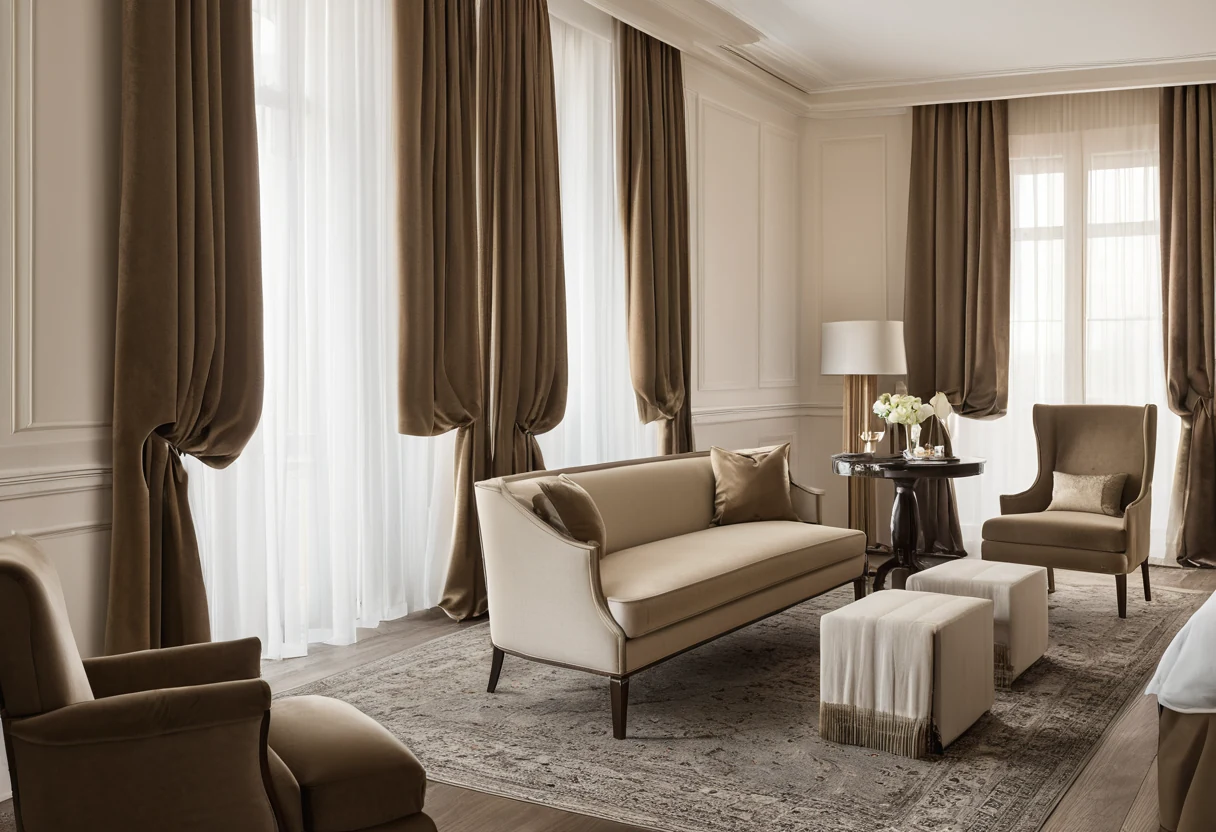
Stage 1: Concept. Design With FR-Capable Aesthetics From the First Moodboard
The requirement: none yet, legally, which is exactly the trap. The classic error: a concept board built on residential silks and untested vintage references, approved by the client, then "value-engineered" through six painful substitution rounds when compliance arrives. The discipline: design within the FR-capable universe from day one: inherently flame-resistant fibers (Trevira CS class polyesters, modacrylics) and wool, which chars and self-extinguishes by chemistry rather than treatment, together cover nearly every texture hospitality design wants, including 40-gram sheers and dense pile velvets. The document: a one-page constraint sheet attached to the concept: jurisdiction, applicable standards, and the note "all textiles to certify."
Stage 2: Specification. Write the Standard Into the Fabric Line, Not Under It
The requirement: every textile line in the FF&E specification carries its standard and class: drapery to NFPA 701 (US) or the project's EN class, upholstery to BS 5852 Crib 5 (UK and much GCC work) or EN 1021-1/-2, wall textiles to their EN 13501-1 class such as B-s1,d0. The decision at this stage: inherently FR versus treated. Inherent fibers carry resistance in the polymer permanently through every cleaning; topical treatments and back-coatings certify too, but durability depends on cleaning method and cycles, and re-treatment after wet cleaning is a real, recurring line item hotels forget to budget. The classic error: the phrase "FR finish available" copied from a mill catalog into a specification, which commits nobody to anything. The document: the mill's datasheet plus a test report per quality, current and from an accredited laboratory; how a fabric is built decides how it burns, which is why specifiers read fabric composition data before falling in love with a colorway.
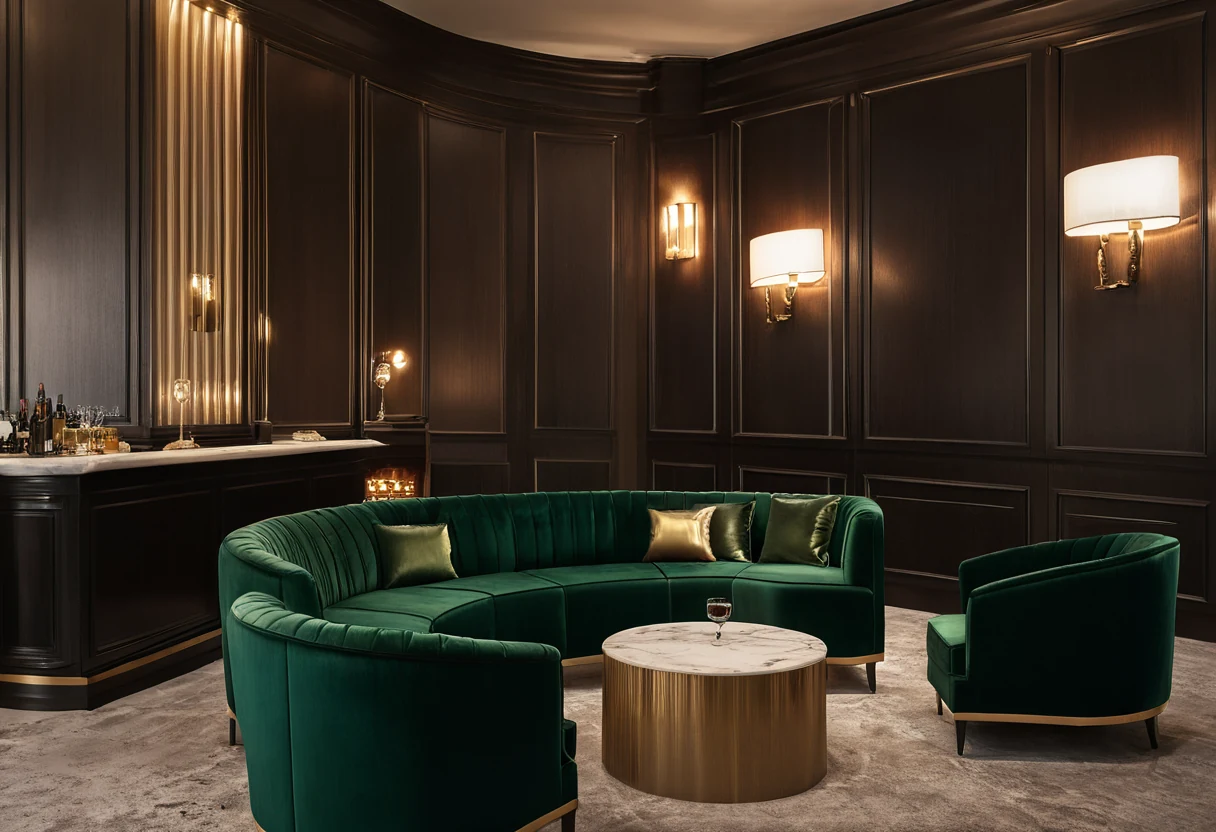
Stage 3: Procurement. Certificates Belong to Batches, Not Collections
The requirement: the certificate that satisfies an inspector references the delivered goods: batch or lot numbers matching the rolls on site. The classic error: accepting a collection-level certificate from three years ago for this year's production run, discovered unusable the week of inspection. The document: a batch test certificate (or the mill's declaration tying the batch to the certified type) for every quality, filed against roll numbers at goods-in. The procurement habit that prevents the whole failure class: certificates are collected when orders are placed, not when inspectors ask.
Stage 4: Installation. A Certified Face Sewn to an Uncertified Lining Is an Uncertified Curtain
The requirement: the installed assembly must perform, not just the face fabric: linings and interlinings carry their own FR certification, and the make-up workroom documents the composite. The classic error: a compliant face fabric sewn to a bargain non-FR lining, or site teams adding decorative layers (swags, trims, sheers) that never passed through the specification at all. A secondary error class belongs to treated fabrics: steam-cleaning or wet-cleaning during snagging can strip a topical treatment before the building even opens. The document: the workroom's declaration of the full curtain assembly, plus care instructions stating which cleaning methods preserve certification, handed to housekeeping in writing.
Stage 5: Handover. The Inspector Reads a Dossier, Not a Curtain
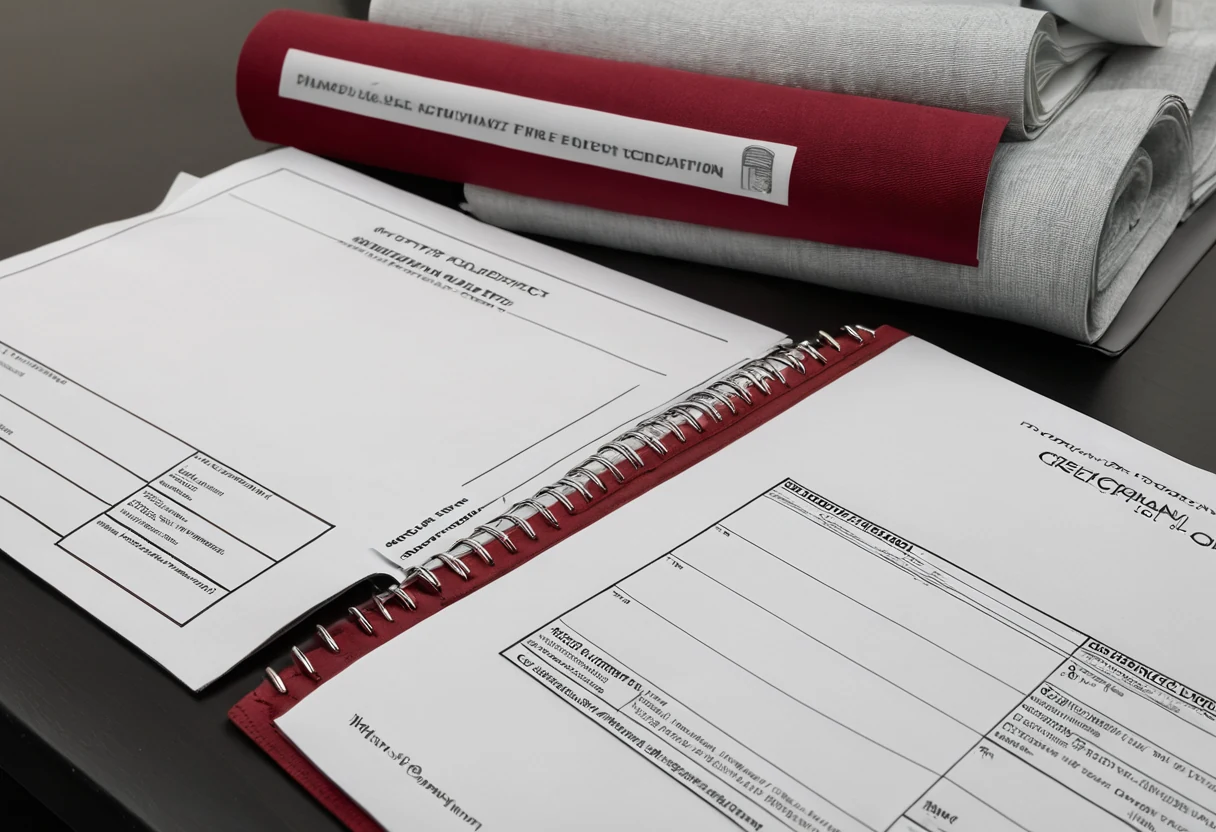
The requirement: authorities (civil defense in the GCC, the fire authority or AHJ elsewhere) receive an indexed file: every textile location in the building mapped to its quality, standard, class and batch certificate. The classic error: all certificates exist and none can be found, scattered across procurement emails while the opening date burns its own schedule. The document: the FR dossier, one indexed PDF or binder, by floor and room type, compiled progressively from stage 3 instead of heroically at the end. Projects that keep the dossier current pass textile inspection in an afternoon; the flame retardant chemistry did its work months earlier, in the loom and the dye house.
The Standards Glossary, in One Table
| Term | What it certifies, in one line |
|---|---|
| BS 5852 / Crib 5 | UK upholstery ignition resistance against a standardized wooden crib source; the contract-seating benchmark |
| EN 1021-1 / -2 | EU upholstery ignition by smoldering cigarette (-1) and match-flame equivalent (-2) |
| NFPA 701 | US flame-propagation test for drapery and hanging textiles |
| EN 13501-1 (e.g., B-s1,d0) | EU reaction-to-fire classes for lining/wall applications: spread, smoke (s), droplets (d) |
| Cal TB 117-2013 | California smolder standard for upholstered furniture components |
| IMO FTP Code | Marine textiles for yachts and passenger vessels |
| Inherent FR (e.g., Trevira CS class) | Resistance built into the fiber polymer; survives all cleaning |
| Topical treatment / back-coating | Applied FR chemistry; certifies, but cleaning-cycle dependent |
The Region Table: What Each Market Asks For
| Application | EU | UK | US | GCC |
|---|---|---|---|---|
| Drapery / sheers | National class or EN 13501-1 route | BS 5867 Part 2 | NFPA 701 | Civil defense codes referencing BS/NFPA/EN |
| Upholstery | EN 1021-1/-2 | BS 5852 Crib 5 | NFPA 260 / Cal TB 117-2013 | Crib 5 widely requested |
| Wall textiles | EN 13501-1 class per building code | EN 13501-1 / national | ASTM E84 class | EN/ASTM per authority |
The reassurance this guide opened with deserves its closing restatement as a rule: fire certification is a documents discipline wrapped around a fiber decision, and both are invisible in the finished room. Hotels do not choose between safe and beautiful; hotels choose between organized and improvised, and only one of those versions opens on time.